
A broken, collapsed, or root-choked main sewer line is a plumbing nightmare that can lead to hazardous structural backup issues. At The Houston TX Plumbing Company, we provide advanced diagnostic sewer camera tracking, patch repairs, and full main line replacements.
Whether you are dealing with a severe root intrusion near Buffalo Run Park, facing structural line bellies in the Hunters Glen subdivision, or need a commercial sewer replacement off State Highway 6, our licensed professionals are ready to restore your home’s drainage safely.
Excavating an underground pipe requires precision. We bring specialized tools and localized trenchless technologies to every neighborhood—minimizing property destruction from the classic estates near Quail Valley Golf Course to newer developments along the Fort Bend Parkway:
HD Video Sewer Camera Inspections: Running high-definition, waterproof sewer cameras directly through your cleanout to map the exact location of structural cracks or root blocks.
Trenchless Pipe Lining (CIPP): Creating a brand-new, seamless pipe inside your old, broken sewer line using an epoxy-saturated sleeve, completely saving your landscaping.
Traditional Trench Excavation: Performing clean, targeted digging and structural line replacement when an underground pipe has completely collapsed or suffered a severe back-pitch.
Hydro-Jetting Descaling: Blasting away dense tree roots and heavy grease scale to clear the line before a major drain cleaning issue turns into a complete pipe failure.
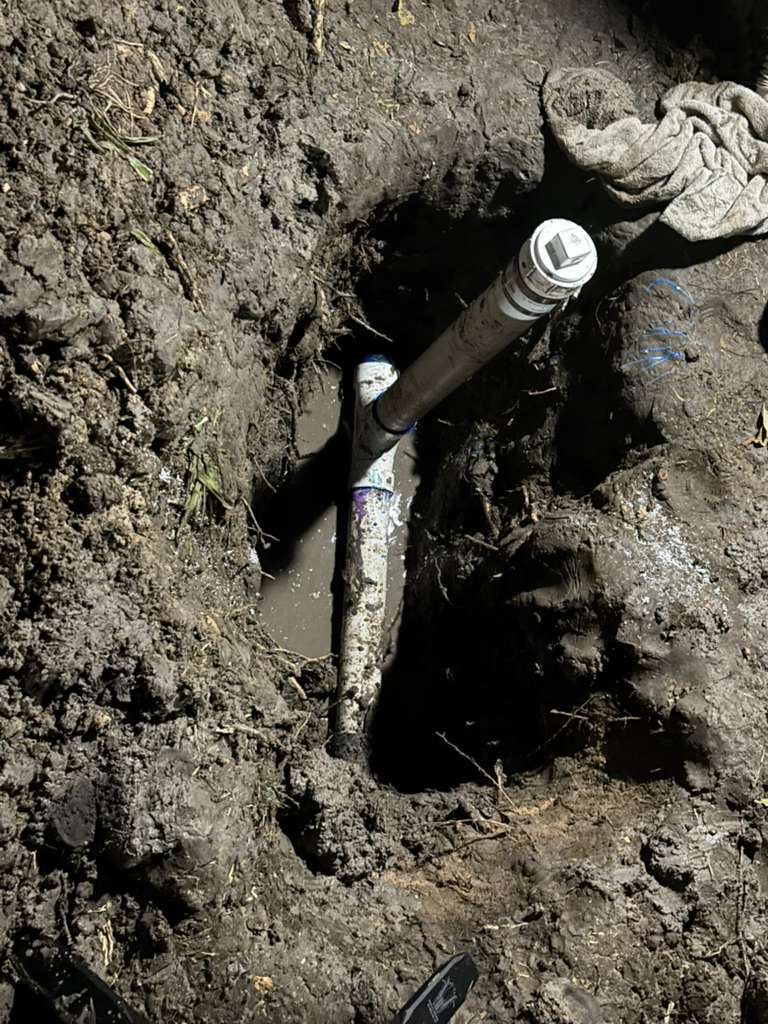
Before a plumbing crew can run a heavy-duty mechanical snake, execute high-pressure hydro-jetting, or launch a video camera to inspect a main line blockage, they must have clear access to your sewer system. This access point is called a sewer cleanout—a vertical pipe connected to your main line that extends up to your yard’s surface, capped with a threaded plug.
Many older properties across Missouri City, especially in established subdivisions built decades ago, were constructed without an exterior, dual-direction main sewer cleanout. In these homes, the only way to try and clear a main line backup is by pulling a bathroom toilet fixture off its wax ring and running cables through the floor, which limits the size of the cutting blades we can use and risks making a mess inside your living space.
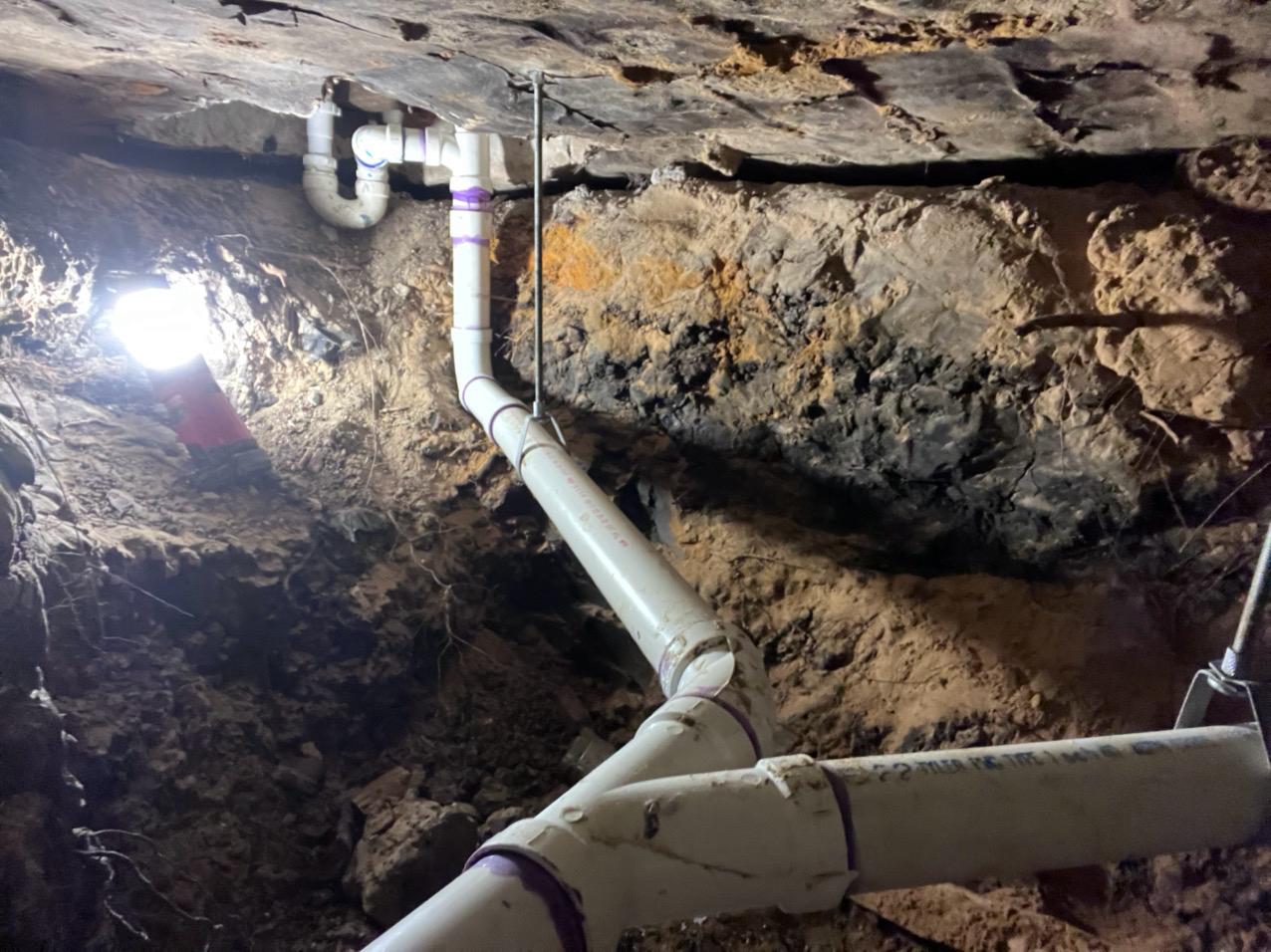
Underground sewer lines across Fort Bend County are subjected to constant environmental stress. Unlike standard indoor fixtures like toilets and faucets, buried main lines are at the mercy of our local soil and mature trees.
The heavy clay soil typical of the Gulf Coast region swells and shrinks dramatically with the Texas weather cycle. This movement causes underground main lines to shift, leading to pipe “bellies” (low spots where waste pools) or structural shearing. When these pipes break beneath your foundation, they quickly manifest as destructive underground slab leaks that threaten your home’s integrity.
In older neighborhoods surrounding American Legion Park, mature live oaks and pecans feature extensive root systems. Seeking water and nutrients, these roots track down the micro-cracks in older cast-iron or clay sewer pipe joints, expanding inside the line until they completely block the pipe or shatter the line entirely.
Watch out for multiple plumbing drains backing up at the same time, gurgling noises coming from your toilet bases when you run the washing machine, persistent sewer smells inside your home, or a patch of grass in your yard that is suddenly much greener and soggier than the rest.
Traditional repair requires digging an open trench through your yard or driveway to physically swap out the broken pipe. Trenchless pipe lining (Cured-In-Place Pipe) allows us to insert a flexible, epoxy-soaked liner through an existing cleanout, creating a rock-solid new pipe without digging up your property.
Homeowners are responsible for the entire sewer lateral line extending from the house out to the point where it connects to the city’s main municipal line, which is typically located near the street curb or property line easement.
Yes. The highly expansive clay soils across Missouri City put massive pressure on underground lines. If your home's slab settles or shifts, it can shear the buried PVC or cast-iron lines cleanly in half.
A standard residential sewer line repair or replacement typically takes between 1 to 3 days, depending on the depth of the pipe, structural layout, and whether we utilize traditional digging or trenchless lining.
Yes. Replacing a main sewer line requires formal plumbing permits and structural code inspections through the City of Missouri City or Fort Bend County building authorities. We handle all engineering, permitting, and inspection logistics for you.
Many homes built decades ago utilize cast-iron or clay sewer lines. Over time, cast-iron pipes rust out along the bottom (channel rot), while clay pipes become brittle and succumb to shifting soils and root entry.
Hydro-jetting is a powerful cleaning solution that blasts away existing roots and clears the pipe, but it is not a permanent structural fix. If a pipe has structural cracks, the roots will eventually grow back unless the line is sealed with a trenchless liner or physically replaced.
Yes. When a sewer line fractures, dirt and soil wash into the pipe every time wastewater flows through it. Over time, this creates a subsurface void beneath your grass that will eventually collapse into a visible sinkhole.
We offer full response coverage across all local communities, including Lake Olympia, Sienna, Hunters Glen, Brightwater, and Quail Valley, spanning zip codes 77459 and 77489.
A sewer line problem only gets worse and more expensive the longer it is left ignored. Partner with a local plumbing company that combines advanced camera diagnostics and non-invasive trenchless technology with years of hands-on structural excavation experience. We provide transparent upfront pricing, clear timelines, and guaranteed workmanship.
Call us today at (281) 513-9345 to schedule an immediate sewer video camera inspection with our local Missouri City team!