
A clogged drain can bring your entire Missouri City household or business to a sudden halt. At The Houston TX Plumbing Company, we provide advanced, professional drain cleaning services tailored to the unique plumbing infrastructure of Fort Bend County. From handling stubborn grease and soap scum in newer master-planned communities like Sienna and Riverstone, to clearing deep main line blockages in established neighborhoods like Quail Valley and Lake Olympia, our licensed plumbing team is equipped to safely restore perfect flow to your sinks, showers, toilets, and floor drains.
A slow-draining sink or backing-up shower is often a symptom of a deeper issue. In Missouri City, recurring drain problems are frequently linked to our environment. The area’s expansive clay soil constantly shifts with Texas rain and drought cycles, putting immense stress on underground sewer lines. Furthermore, mature live oaks and pecan trees line many local properties, sending aggressive roots directly into underground PVC and older cast-iron drain lines.
Rather than relying on harsh chemical cleaners that temporarily erode a clog while damaging your pipes, our local technicians use precise diagnostic methods, including HD sewer camera inspections. We pinpoint exactly whether your blockage is caused by everyday sludge or structural root intrusion, providing long-term clearing solutions that keep your plumbing healthy.
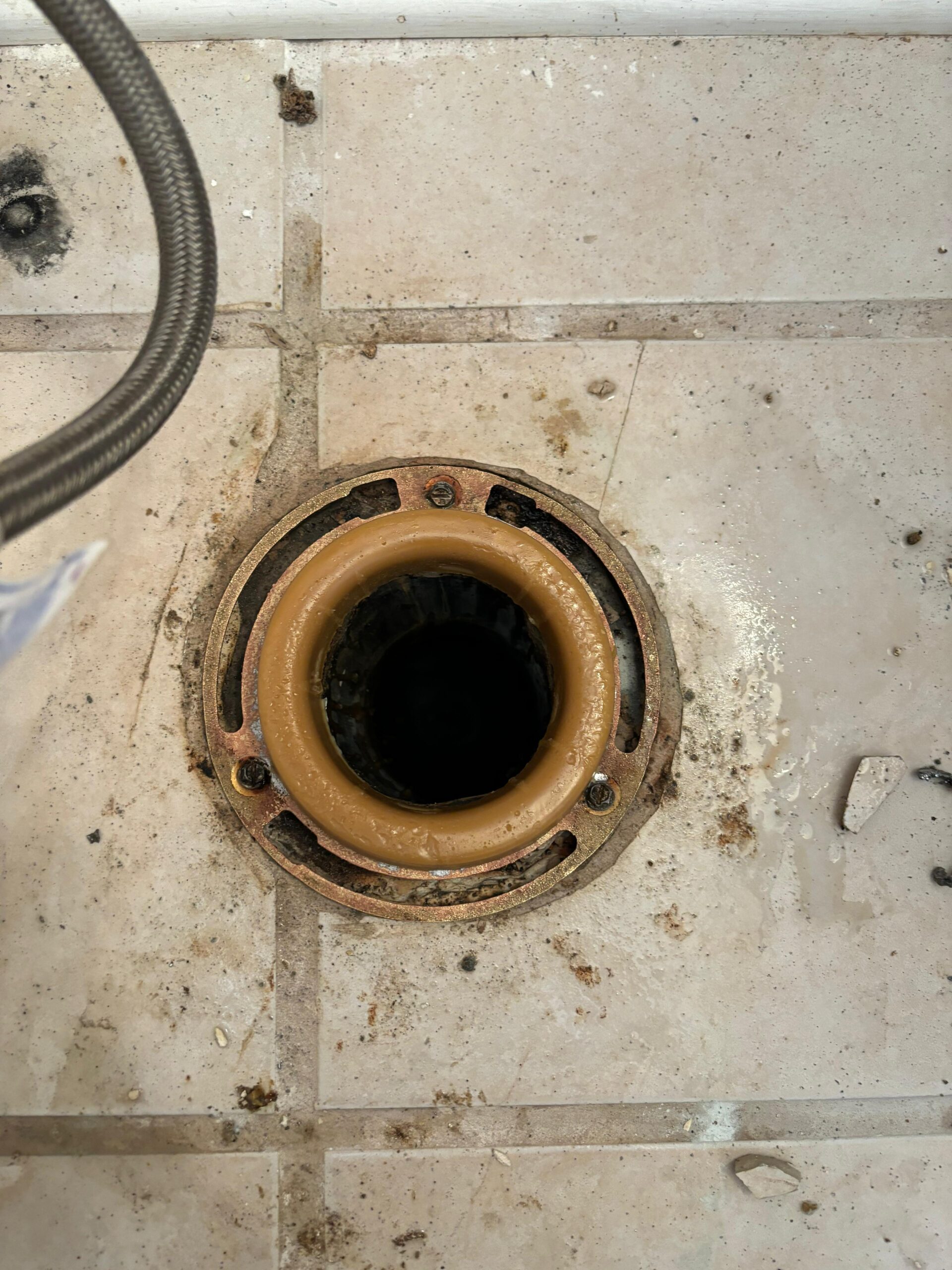
Don’t wait for a slow-draining pipe to turn into a costly sewage backup. Whether you are dealing with a kitchen sink emergency near Highway 6, a commercial drain issue off the Fort Bend Parkway, or a main line backup in zip codes 77459 or 77489, our plumbers are staged locally to provide prompt, upfront, and guaranteed service.
Call The Houston TX Plumbing Company at (281) 513-9345 or book online to clear your lines today!
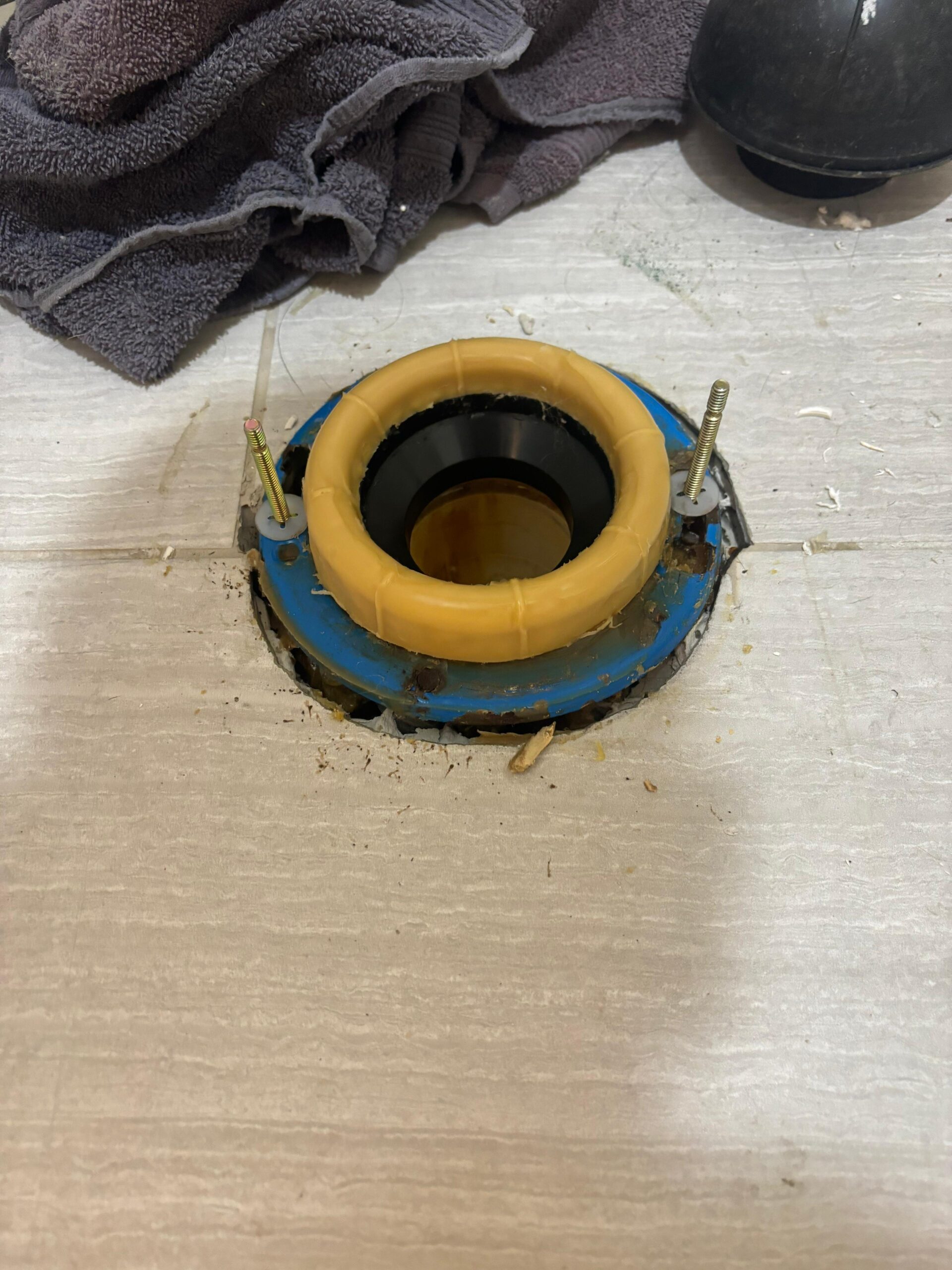
When multiple plumbing fixtures back up simultaneously—like your toilet gurgling when you run the washing machine, or sewage rising into your shower pan—the issue isn’t a simple fixture clog. It’s a main sewer line blockage.
In Missouri City neighborhoods with older plumbing infrastructure (such as Quail Valley or Lake Olympia), main lines are heavily vulnerable to subterranean tree root intrusion and structural sagging caused by shifting Fort Bend County clay. In newer developments along Sienna Parkway or Highway 6, main lines are more frequently choked by structural grease scale or “flushable” wet wipes.
Our team doesn’t guess where the problem lies. We locate the exact breakdown using real-time HD Sewer Video Camera Inspections. Once the obstruction is mapped, we utilize heavy-duty mechanical drain snakes or high-pressure Hydro-Jetting to scour the pipe walls clean, clearing out root systems and restoring your main sewer line to a like-new state.
While everyday items like hair, grease, and soap scum are common culprits, Missouri City properties face specific environmental challenges. The heavy clay soil in Fort Bend County shifts constantly with wet and dry seasons, causing underground pipes to sag or crack. This creates flat spots where debris collects. Additionally, older neighborhoods with mature trees often suffer from tree roots breaking into sewer lines to reach water.
Hydro-jetting (using high-pressure water to blast away clogs) is incredibly effective, but it requires an expert touch. For older cast-iron or clay pipes found in some of our established neighborhoods, we always perform a waterproofing camera inspection first. If the pipe is structurally sound, hydro-jetting is completely safe and actually protects your pipes better than harsh chemical cleaners. If the pipe is fragile, we use a gentler mechanical snaking method instead.
If only one sink or shower is draining slowly, it’s a localized fixture clog. However, if you see water backing up into your shower when you flush a toilet, or if multiple drains across your home are gurgling and bubbling at the same time, your main sewer line is blocked. This requires immediate professional intervention to prevent waste from backing up into your living spaces.
Yes, significantly. The municipal water supply across Fort Bend County averages a hardness level of roughly 8 to 11 grains per gallon, which classifies it as "hard" to "very hard." Over time, this high mineral content leaves behind heavy calcium and magnesium scale inside your lines. This rough mineral buildup catches hair, soap scum, and food waste, acting like Velcro inside your pipes and causing frequent, stubborn clogs.
Responsibility depends entirely on where the physical blockage sits. As a homeowner, you own and are financially responsible for the "lateral sewer line" from your house up to where it connects to the main municipal line (usually near your property line or street curb). If the backup occurs within your property boundary, you need a private plumber. If the block is out in the main street line, it falls to the city or your specific local Municipal Utility District (like FBMUD 47). We can run a camera inspection to instantly prove exactly where the clog lies.
We strongly advise against it. Liquid chemical cleaners rely on harsh, heat-generating chemical reactions to burn through hair or grease. While they might temporarily break a hole through a clog, the chemicals sit inside your pipes and eat away at the plumbing material itself. This can warp newer PVC lines and accelerate the corrosion of older cast-iron drains found in established neighborhoods, leading to catastrophic leaks under your home. Mechanical snaking or hydro-jetting are much safer alternatives.
This bad odor usually stems from one of two local issues. Most commonly, it is caused by a buildup of hair, skin flakes, and soap film decomposing inside the drain or on the sink's overflow channel. However, it can also indicate a dried-out "P-trap" (the curved pipe under your sink meant to hold a barrier of water) allowing toxic sewer gases from the main line to escape back up into your living spaces.
Garbage disposals only chop food waste into smaller pieces—they don't dissolve it. Homeowners frequently run into issues by washing starchy items (like potato peels or rice) or fibrous vegetables (like celery) down the drain, which creates a thick paste that chokes the line. Combined with cooking fats or grease that solidify as they cool down, you get a solid blockage just past the disposal unit.
For most single-family homes in the area, a professional preventative cleaning is recommended every 18 to 24 months. However, if your property has older mature trees with roots hunting for water, or if you run a local commercial kitchen or business, an annual inspection and hydro-jetting schedule is ideal to completely prevent emergency closures and sewage backups.
A camera inspection involves feeding a high-definition, waterproof video camera down into your drain lines on a flexible rod. This allows us to see the exact condition of your pipe interiors in real-time. You definitely need one if you suffer from chronic, recurring backups, if you are planning to buy a home and want to check the sewer lateral, or if we suspect tree root intrusion or a collapsed underground pipe caused by shifting clay soil.
Clean, clear drains are just a phone call away. Don’t let a slow line turn into an expensive emergency backup. At The Houston TX Plumbing Company, our local technicians live and work right here in the area, offering honest pricing, clean workspaces, and dependable workmanship.
Whether you need a quick kitchen sink clearing near the Fort Bend Parkway or an emergency main sewer line inspection in Sienna, we have the specialized equipment to get the job done right the first time.